
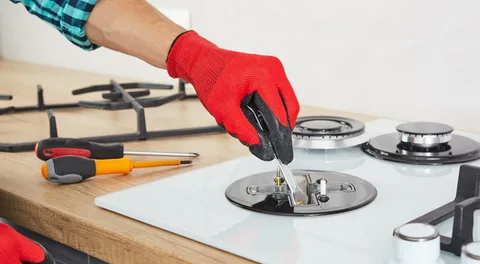
Few appliances get used as consistently as your range or stove, making even a minor malfunction feel disruptive to daily life almost immediately. Whether a burner won’t ignite, the oven isn’t reaching temperature, or you’re installing a brand-new unit as part of a kitchen upgrade, professional range repair and installation services keep this essential appliance running safely and reliably.
Common Range and Stove Issues
Ranges and stoves involve a combination of mechanical, electrical, and, for gas models, fuel line components, which means issues can stem from a variety of sources. Common problems include:
- Range not heating troubleshooting situations, where the oven won’t reach or maintain the set temperature
- Stove burner repair needs, when individual burners won’t ignite or heat unevenly
- Range oven not working entirely, often pointing to an igniter, heating element, or control board issue
- Uneven cooking results, which can indicate calibration or heating element problems
Recognizing which category your issue falls into helps set expectations for the type of repair needed.
Gas vs Electric Range Repair
Gas and electric range repair approaches differ meaningfully based on the appliance type. Gas ranges rely on igniters and gas valves to control heat, while electric models use heating elements and electrical components. This distinction matters significantly for diagnosis and repair, which is why working with a technician experienced in both gas range installation and electric stove repair ensures accurate troubleshooting regardless of which type you own.
Stove Igniter Replacement
Stove igniter replacement addresses one of the most common gas range issues a clicking sound with no ignition, or a burner that lights inconsistently. Over time, igniters can wear out or accumulate debris that affects their function, and replacement is typically a straightforward, cost-effective repair once properly diagnosed.
Induction Range Repair and Installation
Induction range repair and installation covers a newer category of cooking technology that uses electromagnetic energy to heat cookware directly, rather than heating a traditional element or burner. Because induction technology differs significantly from standard electric or gas models, repairs often require a technician specifically familiar with this equipment, including its unique control boards and induction coil components.
Understanding Range Not Heating Issues
When an oven won’t reach proper temperature, range not heating troubleshooting typically starts by checking a few common culprits: a faulty igniter (gas models), a failed heating element (electric models), a malfunctioning temperature sensor, or control board issues. Because these components can produce similar symptoms despite very different underlying causes, professional diagnosis helps avoid replacing parts that aren’t actually the source of the problem.
Range Installation Service
Whether you’re replacing an old unit or installing a range as part of a kitchen remodel, professional range installation service typically includes:
- Space and clearance verification: Confirming the new unit fits properly within existing cabinetry and clearance requirements.
- Range hookup and gas line installation: For gas models, connecting to an existing gas line or installing new gas line infrastructure where needed, always performed with careful attention to safety.
- Stove electrical wiring requirements: Ensuring proper electrical connection, particularly important for electric and induction ranges that often require dedicated high-amperage circuits.
- Leveling and final placement: Positioning the range correctly for both safety and even cooking performance.
- Testing: Verifying proper ignition, heating, and overall function before considering the installation complete.
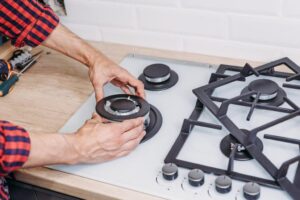
Range Hookup and Gas Line Installation
Range hookup and gas line installation is an area where professional installation matters significantly for safety. Improperly connected gas lines pose genuine fire and carbon monoxide risks, making this a task that should always be handled by a qualified technician rather than attempted as a DIY project. This work often also requires permits and inspection, depending on local code requirements.
Stove Electrical Wiring Requirements
Stove electrical wiring requirements vary depending on range type. Electric and induction ranges typically require a dedicated 240-volt circuit capable of handling the appliance’s significant power draw, which is different from a standard household outlet. Confirming your home’s electrical system can properly support a new range or upgrading it if needed is an important step before installation, particularly when replacing a gas range with an electric or induction model.
Built-In Range vs Freestanding Range
The built-in range vs freestanding range decision affects both installation complexity and kitchen design flexibility. Freestanding ranges are self-contained units that can typically be installed and swapped relatively easily, making them a popular, straightforward choice for most kitchens. Built-in ranges integrate more seamlessly into custom cabinetry for a streamlined look, but generally require more precise installation planning and are less flexible to replace or relocate down the road.
Range Installation Permits
Depending on your location and the scope of work, range installation permits may be required, particularly for new gas line installation or significant electrical work. A reputable installer understands local requirements and can advise whether your specific project requires permitting, helping ensure the installation meets current safety codes.
Commercial Range Repair
Commercial range repair addresses the needs of restaurants and food service businesses relying on heavier-duty equipment than typical residential appliances. These repairs often involve higher-capacity components and different safety and code considerations than home ranges, making experience with commercial-grade equipment an important factor when selecting a technician for business settings where downtime directly affects operations.
Understanding Range Installation Cost
Range installation cost depends on several factors:
- Whether the installation is a straightforward swap or requires new gas line or electrical work
- Range type, since gas, electric, and induction models each have different installation requirements
- Built-in versus freestanding configuration
- Removal and disposal of an existing unit, if applicable
- Permit fees, where required
A trustworthy stove repair and installation company will provide a clear estimate upfront, accounting for the specific requirements of your kitchen and chosen appliance.
Same-Day Stove Repair Service
For households facing an unexpected range breakdown, many companies offer same-day stove repair service, minimizing how long you’re without a functioning cooktop or oven. This is particularly valuable given how central the range is to daily meal preparation for most households.
Range Repair Warranty
A quality range repair warranty protects your investment in the repair itself, typically covering both replaced parts and labor for a specified period. Confirming what’s covered, and for how long, before agreeing to a repair provides peace of mind if the same issue were to resurface shortly after service.
Choosing the Right Range Repair and Installation Company
When searching for stove repair near me, look for:
- Experience with both gas and electric models, including newer induction technology
- Proper licensing for gas line work, where applicable
- Transparent, upfront diagnostic fees and clear repair estimates
- Availability for same-day service when needed
- Positive reviews mentioning reliable, accurate diagnostics
Final Thoughts
A malfunctioning range disrupts one of the most essential daily functions in any household, which is exactly why fast, professional range repair and installation matters so much. Whether you’re dealing with a burner that won’t ignite, an oven that’s lost its heat, or planning a full installation as part of a kitchen upgrade, working with an experienced technician ensures the job is done safely and correctly, protecting both your appliance investment and your home. If you’re dealing with a range or stove issue, reach out to a trusted local appliance repair company today for a diagnosis or installation estimate.
Frequently Asked Questions
Can I install a gas range myself? It’s strongly discouraged. Gas line connections carry real fire and carbon monoxide risks if done improperly, making professional installation the safer choice, and many jurisdictions require a licensed technician for this work.
How do I know if my range needs repair or replacement? Consider the appliance’s age, how repair cost compares to replacement cost, and whether it’s had frequent past repairs. If repair costs approach or exceed half the price of a new unit, replacement is often more practical.
What’s the difference between induction and standard electric ranges? Induction ranges use electromagnetic energy to heat cookware directly, offering faster heating and more precise temperature control, while standard electric ranges heat a traditional element that then transfers heat to the cookware.
Do I need a special electrical circuit for a new range? Electric and induction ranges typically require a dedicated 240-volt circuit, different from a standard outlet. An installer can confirm whether your home’s electrical system supports this or needs upgrading.
How much does range installation typically cost? Cost depends on whether it’s a simple swap or requires new gas line or electrical work, along with the range type and any permit fees involved. A technician can provide a clear estimate after assessing your specific kitchen.